Home Office Minimalism: Create a Clutter-Free WFH Space for Better Focus
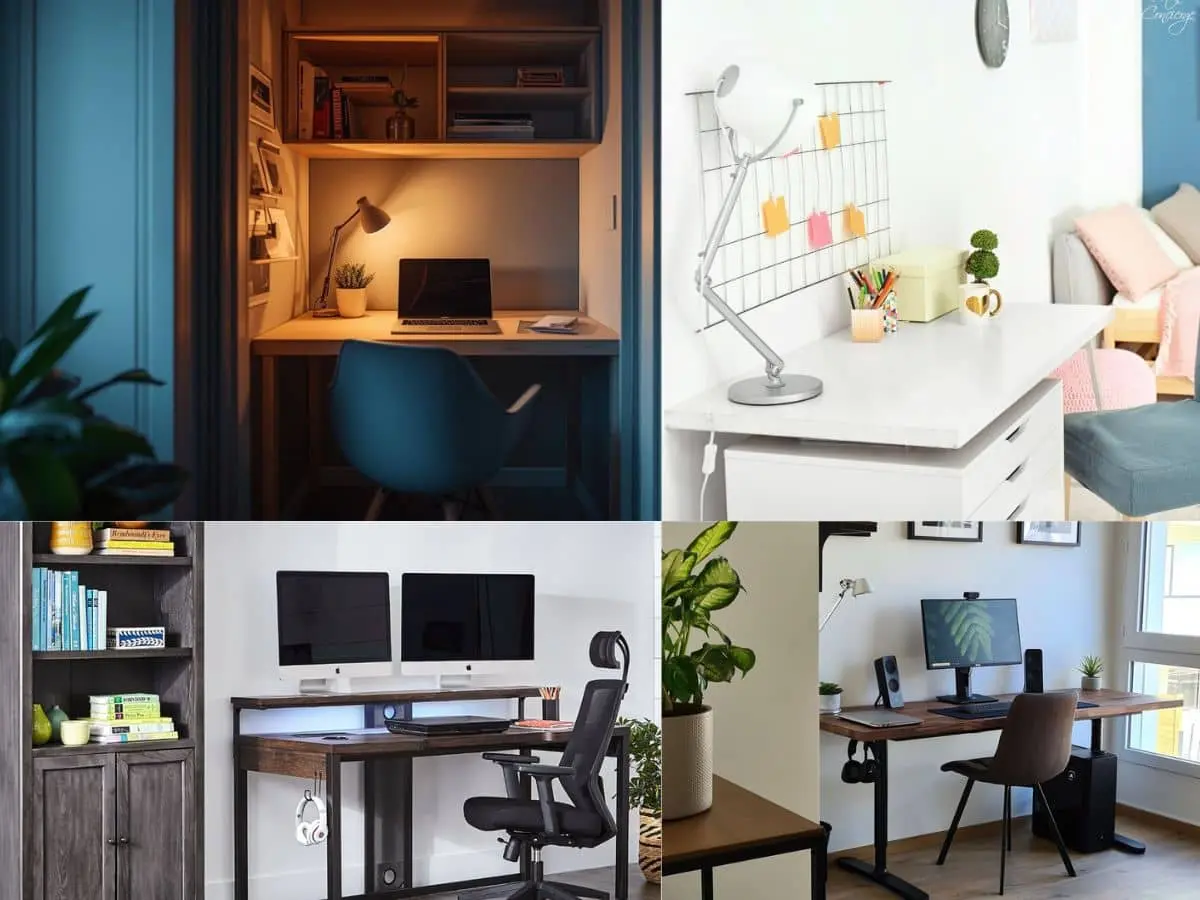
You may not realize it yet, but there’s a hidden danger in that mess of a desk that you have been working on for a while now.
While the paperwork that keeps piling up may indicate how busy you are, a looming danger is ahead. These pens, shredded paper, clips, and whatever it is that you have used for the previous days that are still sitting in your desk may indicate how productive you were. It can also prove to be the rise.
A messy desk can easily mess with your head and derail your focus. Let’s see why you have to act on it now, and we have listed steps to make and maintain a clean and messy workspace.
There is stress in a mess
We’ve said this before, and yeah, it’s true. A messy desk is very stressful; it alone can be an eyesore.
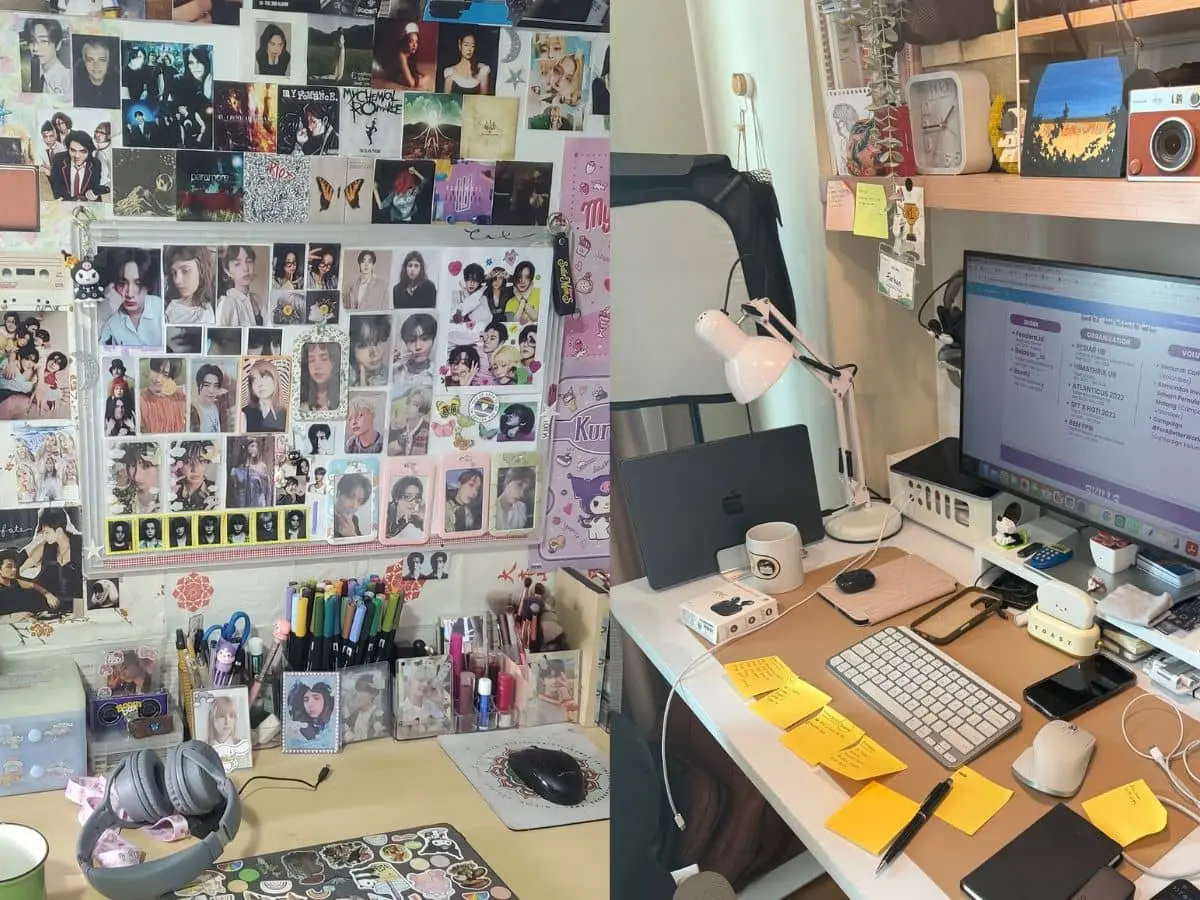
You may start off with a clean desk. Unknowingly, you randomly begin to just pull up drawers and put things where they don’t belong.
Over time, these messes pile up. Even the most organized and productive person can feel their energy being drained by the chaos that is in front of them.
How do our minds react to mess? It begins the moment your eyes see the cutter. The mess and the disorganized island start to make you feel uncomfortable, even irritable.
Your sight is distracted, and you begin to lose focus. This then translates to the brain. You may start to feel tired, unable to process information, and unable to think clearly.
That is how powerful a mess is; it can derail the predictability of even the most hardworking person.
And below, we have made a few suggestions on how you can start doing something about this desk chaos.
We want a clean desk
The keyword here is minimalist. You have to get rid of everything that doesn’t serve you anymore.
Remember the Marie Kondo your wardrobe? You categorize your clothes and decide which sparks joy or not, and either give them to Goodwill, give them away, or keep them. We can also do the same thing with your desk space.
Make it messier first
Before we can even begin to “clean”, we have to make an even bigger mess first. Remember, before the beauty comes the chaos.
That being said, you have to get everything out of the drawers and cabinets, every single clip, pen, just put everything out.
This is also a perfect time to clean the desk, cabinets, and even the floors surrounding your workspace.
If you have a big desk, pile them up in there. Oh yeah, the clearer you can see the mess, the better. And oh, this might even make you rethink your life choices, seeing how big a mess has accumulated in your workspace, pun intended.
It is wise and best to set a time when you would do this. Make sure you have ample time to sort things out; consider putting this in your calendars. The bigger the mess is, the more time you will need.
Throw or keep
Decide on what needs to be donated, kept, or thrown away. There may be items that you no longer use but are still holding on to. These just eat up space in your drawers and get in the way.
Make a list of categories
Before you start to sort things out, it is essential to make natural categories of the things that you have in your workspace.
Some categories may include photography, office essentials, paperwork and their labels, and miscellaneous items. It’s also nice to make a list of what goes in each category, so you don’t have to go through the contents of each drawer to find whatever it is that you need.
It’s important to label the boxes and drawers properly and clearly. This will spare you from searching for things when you badly need them.
Strategic Location
Aside from categorizing the things that are in your space, zoning can help you be more focused and work productively.
Decide on what things you use everyday, often use, and rarely use. This can help you decide where you will place each item.
The things that you often must place the nearest, these are normally situated on top of your desk. As such, be careful not to place too many items on this. It has to be unobtrusive, with only a few things seen by the eye. In most instances, these can be pens, your computer, and keyboard.
The next zone is the things that you often use, and these can be situated at arm’s length. This can help you have an easier workflow. It also prevents you from making a mess and turning every drawer upside down just to be able to find what it is that you need.
This would depend on your industry or niche. But oftentimes, items in this zone include office supplies such as papers, scissors, and staplers.
The next zone can be composed of things that you seldom use; it does not need to be at arm’s length, but can still be a few steps from your desk. It can be placed in a drawer that you can easily get to. This can consist of local files and paperwork.
And then the things that you very rarely use can be either found inside your workspace or outside. Depending on how big or bulky they are, you may even nominate a separate space that is not that close to your desk. Since you rarely use these times, it will not be such a hassle keeping them at such a distance.
Choose an effective paper filing system
One of the things that can keep piling up are papers, letters, bills and just more papers. From confidential files, letters to bills, these can make up for a massive mess in your desk.
It’s time to clean them up.
Decide on what needs to be saved or shredded. Discard and shred papers and letters with personal information.
Make sure you no longer need these. Discern carefully if you can retrieve the information if you would need it in the future. This will help you decide if you will shred them or save them.
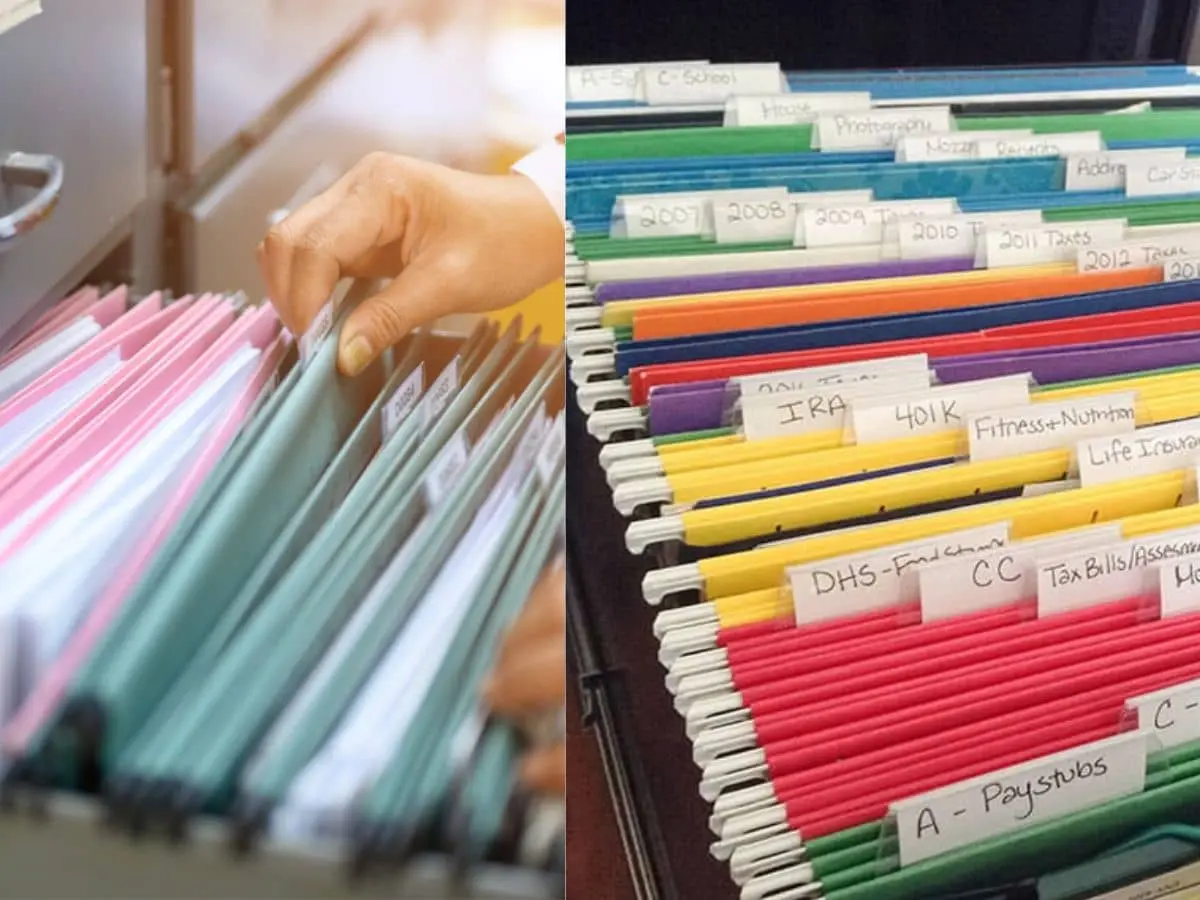
Place them in folders that are labeled properly. Depending on your preference, you may decide on what paper filing system works for you.
Putting everything in place
And here’s the final step. You have to put each item where they belong.
To avoid confusion, make sure to do number 1 step diligently. You also have to decide on which category to place each.
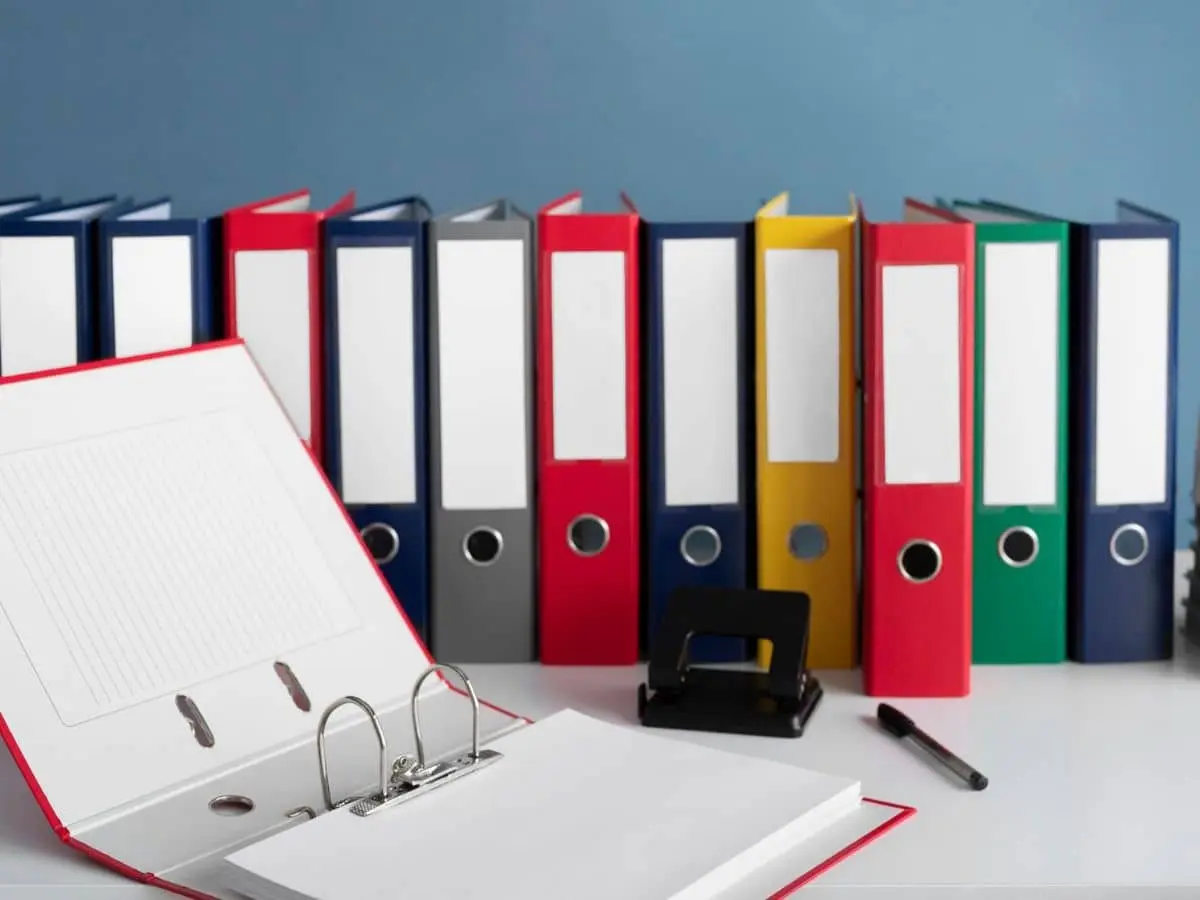
Once brain fog sets in, it can be confusing, and you might not even remember which category you kept them in. That’s why it is crucial to make a list of where one goes.
Make it a habit to return everything where you got it
The easiest way to mess up this minimalist effort is just to put things back randomly. We know how tempting it can be to just return that big file that you don’t often use in the second drawer of your desk if you have an urgent meeting.
Once you make a habit of this, it will undermine your efforts.
Yes, it does take discipline to stick to this setup. But do everything as intended and you will set yourself up for success.
Get only the essentials
We’re keeping it minimalist, baby. That’s why you have to choose only office equipment and pieces that are essential. Choose pieces that are multifunctional and can be used in more ways than one.
A minimalist setup adheres to the rule of simplicity. Thus, avoid getting elaborate pieces and ornaments that have no function.
But you do not have to sacrifice aesthetics if that is what you’re thinking.
The right set of furniture won’t only help boost your productivity, it can also make your space aesthetic. You just have to have a clear idea of what you will buy and need.
Do not forget the cables
Your efforts in setting up a clutter-free desk can be undermined if you have messy cables and wires.
Hanging wires can easily make your desk look unkempt and is an eyesore. That is why this is an important facet that you have to plan, especially if you are using more equipment and gadgets that need to be plugged into a power source.
There are cable management efforts that can help you deal with this mess; you just need to choose which works best for your space best.
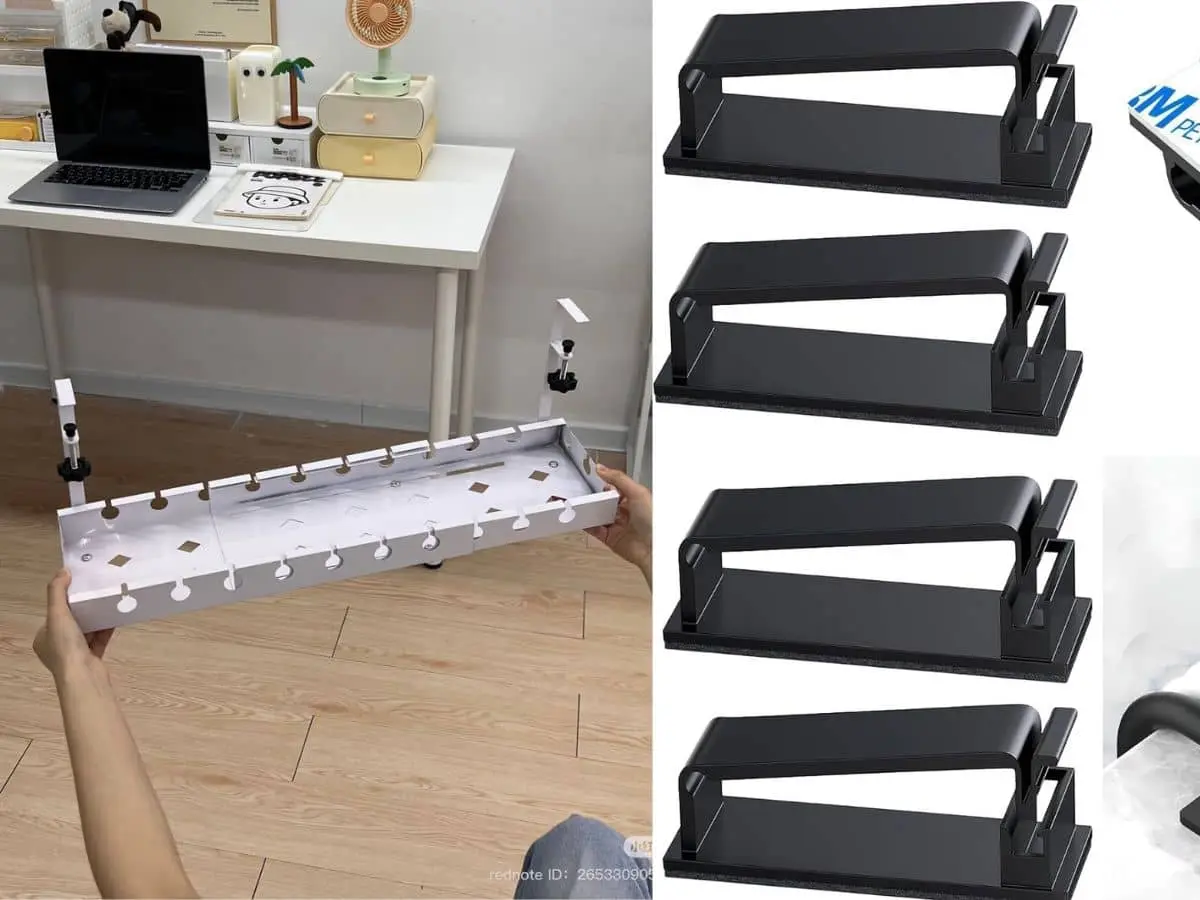
You may opt to use cable ties, clips, and sleeves to keep everything from falling out of place. Another option are wireless solutions, getting rid of the hanging wires once and for all. Minimizing wired equipment can make it easier, but of course, this depends on what you really need, and the budget has to be accounted for.
There are under the desk cable organizer, hooks, and trays that you can easily screw. This can help keep your cables organized and neat.
Patience is the key
Sometimes, it might take more than a day to do this, especially if you have accumulated a ton of papers and whatnots over the years. Be patient and set aside a day or a few days when you will be able to finish this task.
It can be tedious and messy, but it can pave the way for a clearer mind and better focus at work.